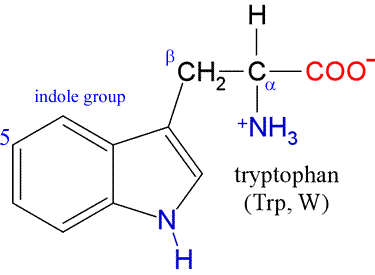
Amino acids are composed of an amine group (-NH2) and a carboxylic acid (-COOH) functional group attached to the (α) carbon atom. Each amino acid has a side chain (R group) that are specific to each amino acid and determine whether it is polar or non-polar. This particular side chain on tryptophan is classified as being polar and since it possesses a large hydrophobic indole group attached to its beta (β) carbon, its usually found buried in the hydrophobic core of proteins.
Tryptophan is one of the twenty essential amino acids and is needed for normal growth in infants and adults. Since our bodies cannot produce this on its own, we rely on our diet to supplement our needs. Tryptophan also acts as a building block for protein biosynthesis and is a precursor for serotonin (neurotransmitter), niacin (vitamin B3), and auxin (essential for plant body development). Insufficient niacin in the diet can cause nausea, skin and mouth lesions, anemia, and headaches. This production of B-vitamin niacin helps the body produce serotonin which acts as a calming agent and allows our bodies to get a healthy sleep we need to function properly.

References:
http://science.howstuffworks.com/innovation/edible-innovations/question519.htm
http://www.ncbi.nlm.nih.gov/pubmedhealth/PMH0002986/
http://guweb2.gonzaga.edu/faculty/cronk/biochem/T-index.cfm?definition=tryptophan

No comments:
Post a Comment