Citric Acid : Sour (But Also Sweet?)
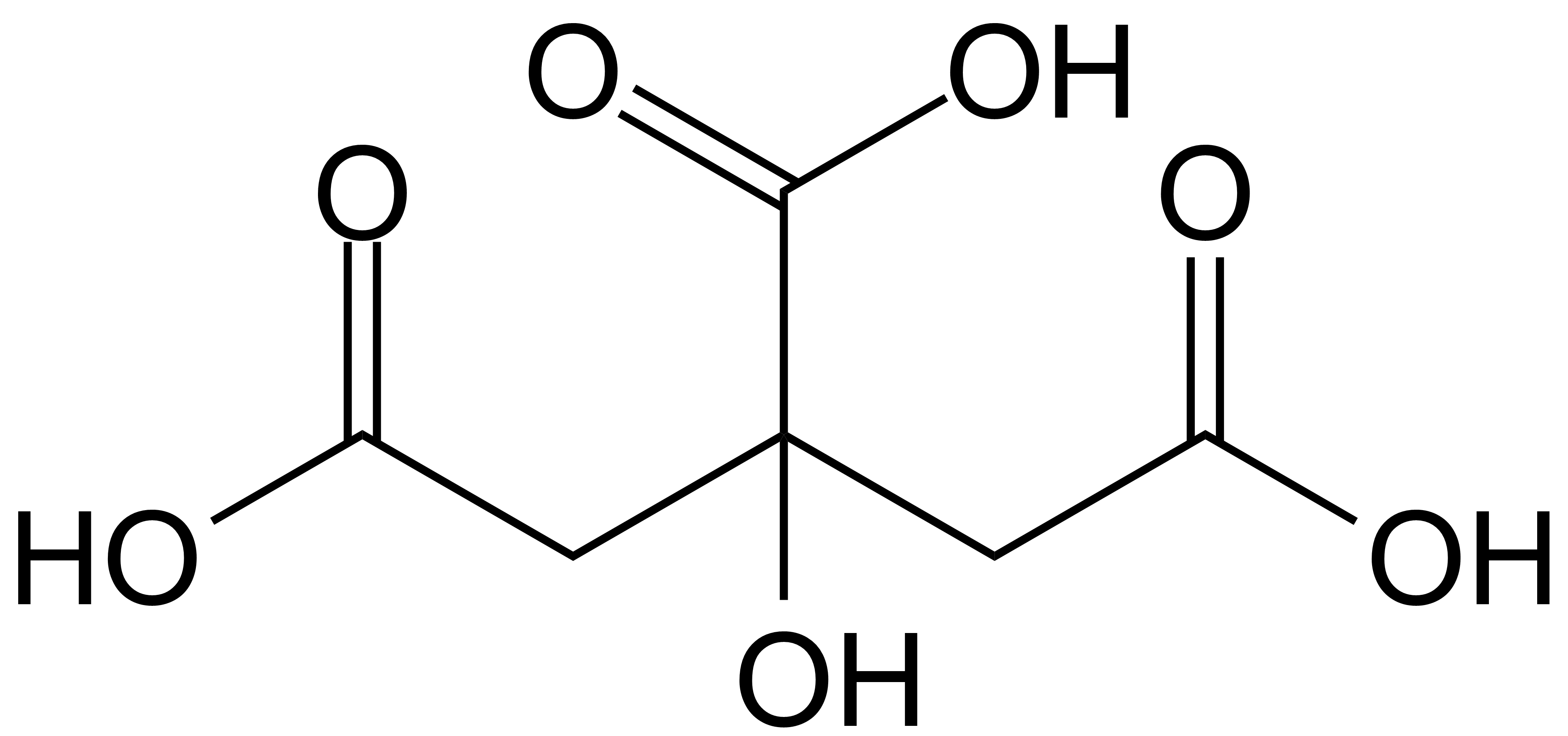
 My favorite organic molecule is citric acid, also known as 2-hydroxypropane-1,2,3-tricarboxylic
acid. It's empirical formula is C6H8O7. The main reason this is my favorite organic molecule is because I love
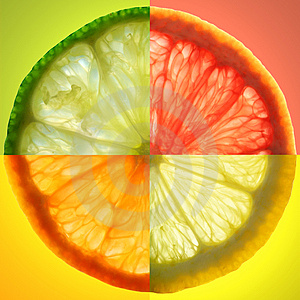
citrus fruits, which contain a high volume of citric acid. Pineapples,
tangerines, oranges, and lemons are just a few of the common fruits that
contain large volumes of citric acid. We all know these fruits are sour, but I also think citric acid is sweet because of its many uses! Worldwide, 1 million tons of citric acid
are used and produced each and every year!
My favorite organic molecule is citric acid, also known as 2-hydroxypropane-1,2,3-tricarboxylic
acid. It's empirical formula is C6H8O7. The main reason this is my favorite organic molecule is because I love
citrus fruits, which contain a high volume of citric acid. Pineapples,
tangerines, oranges, and lemons are just a few of the common fruits that
contain large volumes of citric acid. We all know these fruits are sour, but I also think citric acid is sweet because of its many uses! Worldwide, 1 million tons of citric acid
are used and produced each and every year!
Citric acid was discovered in the 8th century by
an alchemist named Jabir Ibn Hayyan, and was isolated (by crystallization) much
later in the 18th century. There is also a related biological
process, commonly called the Citric Acid Cycle; in which the body breaks down
organic molecules to produce energy in the form of ATP. This cycle is also
known as the Krebs Cycle by many biologists.
What many people do not know is that citric acid has
multiple uses. One that may come as a surprise is that it is a large component
of commercialized pesticides used to treat crops to prevent bugs from
eating them.
 It is also used in many common household cleaners, because it is a
weak but still effective acid. Citric acid is also used in shampoo, because it
opens up the cuticle and allows for a more thorough cleaning of the hair. There
is one downfall to citric acid, and that is that it can be used as an additive
in making explosives.
It is also used in many common household cleaners, because it is a
weak but still effective acid. Citric acid is also used in shampoo, because it
opens up the cuticle and allows for a more thorough cleaning of the hair. There
is one downfall to citric acid, and that is that it can be used as an additive
in making explosives.
One thing that is interesting to note is that the
Environmental Protection Agency states that citric acid is “generally
recognized as safe”. This is particularly interesting considering the fact that
it is consumed on a regular basis by humans.
Sources:
"Citric Acid." - New World Encyclopedia. N.p., 29 Aug. 2008. Web. 31 Aug. 2014.

Your post is very interesting and I would have not thought about all of the uses of citric acid.
ReplyDelete